


HUMAN RIGHTS | WOMEN’S ISSUES | LGBTQ RIGHTS | OPINION | LITHUANIA | UKRAINE
◊
by Vilma Fiokla Kiurė
◊
The war in Ukraine has truly shaken everyday life in Lithuania. It has, among other things, pushed human rights issues to the background, or reframed them in a strictly military or geopolitical east-west perspective. When information about civilian women being massively and brutally raped by the occupying army reached our shores, a protest was organized at the Russian Embassy in Vilnius. The protest was very similar to the one in Estonia, where Estonian women similarly protested at the Russian Embassy in Tallinn, expressing their solidarity with Ukrainian women by placards depicting victims of sexual violence. They stood by the embassy with horribly blood painted groins and bags on their head. Lithuanian protestors echoed the image. Protesters in Lithuania also brought children’s toys and strollers with them to direct attention to the tragedies of women who got pregnant after being raped. The image was reinforced by “the red pond” because, before the protest, the performance “Swimming Through” took place, during which the famous Lithuanian swimmer Rūta Meilutytė swam across the pond near the Russian Embassy, the water of which had been colored with red dye, to remind the diplomats of the ongoing massacres and atrocities and mass murder in Ukraine.
Lithuanian women activists started organizing various forms of aid to Ukrainian women, from raising funds for mobile gynecological clinics to supplying Ukrainians with hygiene products and pregnancy terminating medication.


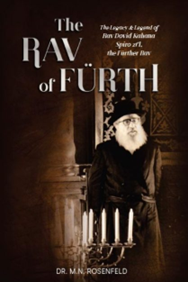 (Fürther Rav) was buried in the Har Hamenuchos Cemetery in Jerusalem. A picture of his tombstone can be found in Moshe Rosenfeld’s recently published book on Rabbi Spiro. The book’s thirteen chapters cover in great detail the origins of the family Spiro, their pre-war life in Poland, the Warsaw Ghetto, survival, rebuilding, dialogue with a bishop, divorce cases and much more.

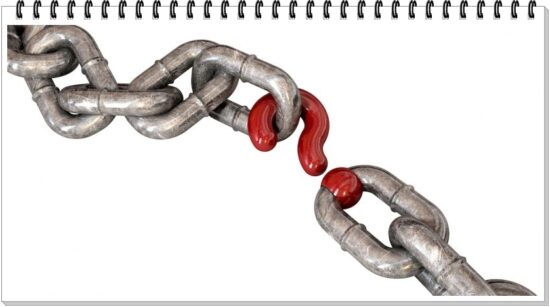 There is, however, disturbingly, quite a stupendous missing link in this abridged history of Lithuania in the twentieth century. Where had the quarter million Jews (the figure on the eve of the Holocaust) of the country disappeared to “overnight” (as centuries go), during that fateful century? Had there ever been a Jewish minority in Lithuania at all? When I looked at the author’s pedigree, I understood why the Jews had not played any role of significance in his biased dialectical discourse. Joren Vermeersch is a historian (of sorts) and an accomplished author. He is also a representative (stand-in, as we call it) for the Belgian House of Representatives, for the “N-VA.” This is the nationalist Flemish party that has its historical roots in the collaboration with the Nazis during World War II. The party that has systematically fought for an amnesty for Nazi collaborators. The party in which the grandparents or parents of some of the present actual leaders had been condemned by the Belgian State for collaboration with the enemy. Nobody is guilty of sins of their ancestors, but when there is a pattern of such pedigree being considered a great plus for current leadership, and that pedigree is subtly glorified rather than disowned, we have a current moral problem that merits discussion in the public square.


