Opinion | Last Jewish Partisan Fort | History | Blaming the Victims | Germany
◊
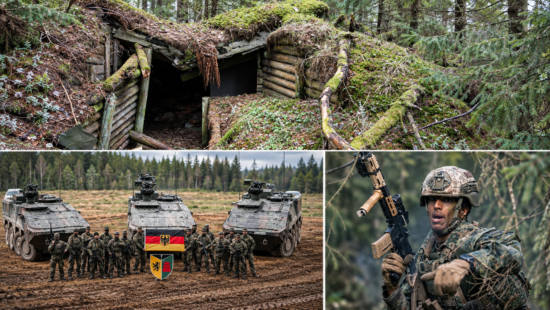
AI is no replacement for original historical research. But AI is a good place to start compiling a list from well-known and widely available published sources. This was the first result of a query about the names of known Jewish partisans who spent part of their time during the Holocaust at the Rūdninkai (Rudnitsker) Jewish partisan fort in Lithuania, some 25 to 27 miles south-southwest of Vilnius.
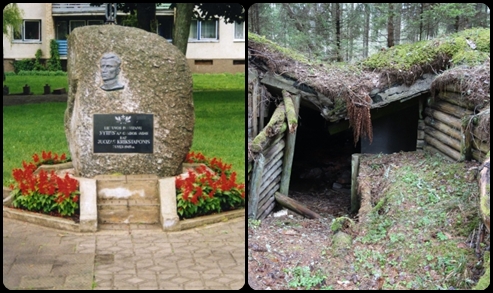
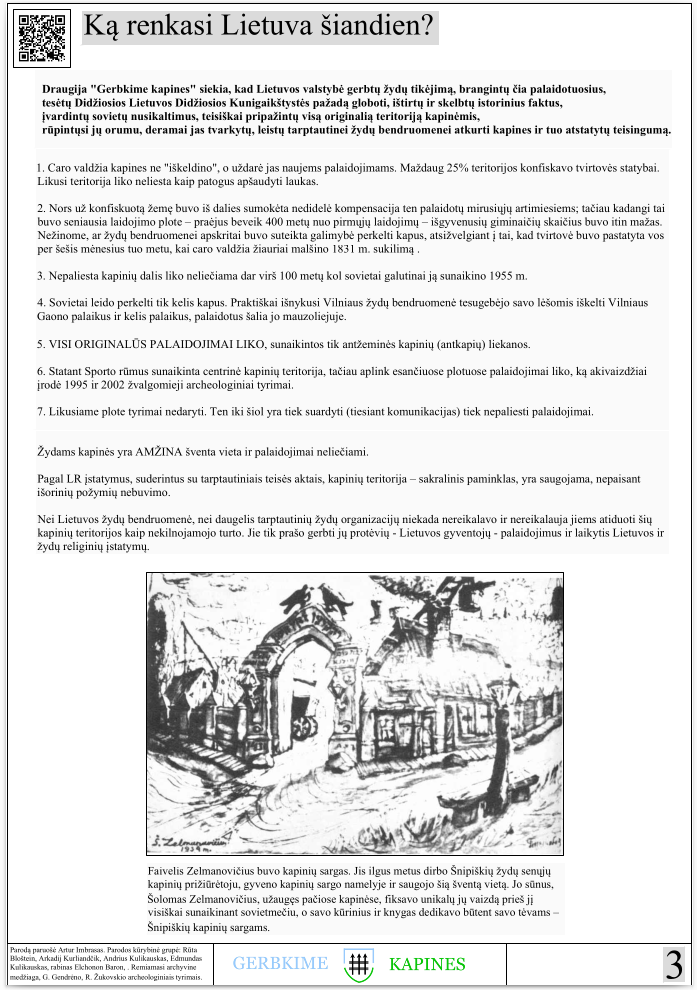
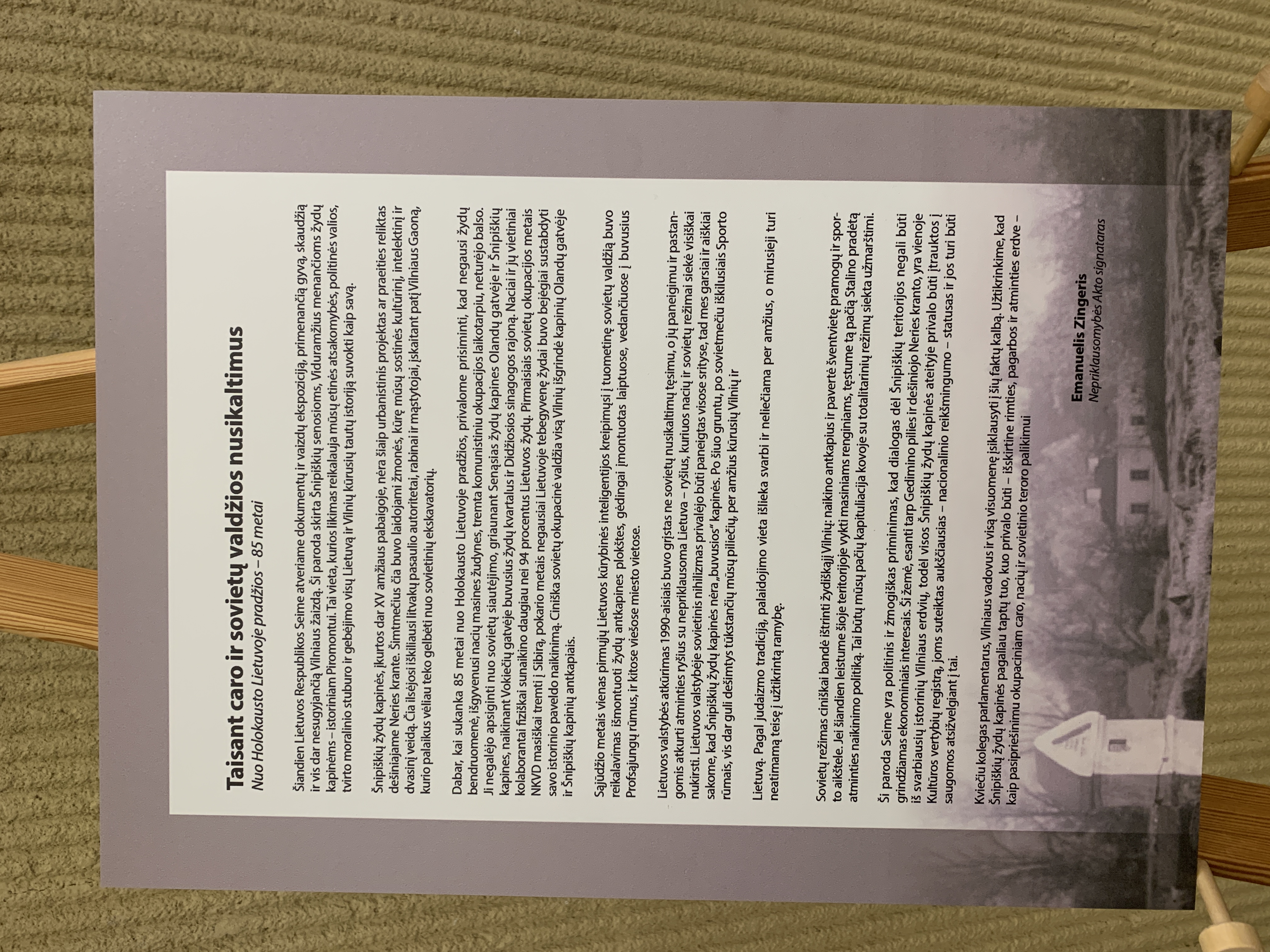
Among the remarkable people on this list are Dina Abramowicz (1909–2000), YIVO’s legendary librarian; Abba Kovner (1918–1987), partisan leader and acclaimed poet; Dov Levin (1925–2016), historian of Lithuanian Jewry; and Joseph Melamed (1924–2017), longtime leader of the Israeli Litvak community. Chaim Lazar (1914–1997), Różka Korczak (1921–1988), Zvie A. Brown and Isaac Kowalski did much to preserve the history of Jewish resistance. Avram Zeleznikow (1924–2013) became a leading figure in Melbourne’s Jewish community. Fania Yocheles Brantsovsky (1922–2024) and Rachel Margolis (1921–2015) devoted decades to preserving Jewish culture and Holocaust memory in Vilnius, where both were subjected (from 2008) to pre-trial investigations widely seen as part of a wider attempt at a rewriting of history that included defamation of Jewish partisans. Dr. Margolis was a prime founder of Vilnius’s Green House which remains to this day a rare bastion of unvarnished, unrewritten history. This extraordinary remnant in the forest has untold historical, Jewish spiritual, and educational significance. Germany has a unique historic responsibility to immediately issue a morally clear statement on the fort’s preservation and to make that happen, rather than continuing to be a tool of the antisemitic far right that yearns for its disappearance.