◊
◊
by Chona Leibovich (Leibovičius)
◊

Chona Leibovich (Leibovičius)
In our country, there has for decades now been a ceaseless series of battles in the mass media, social media and other nooks and crannies of the public space.
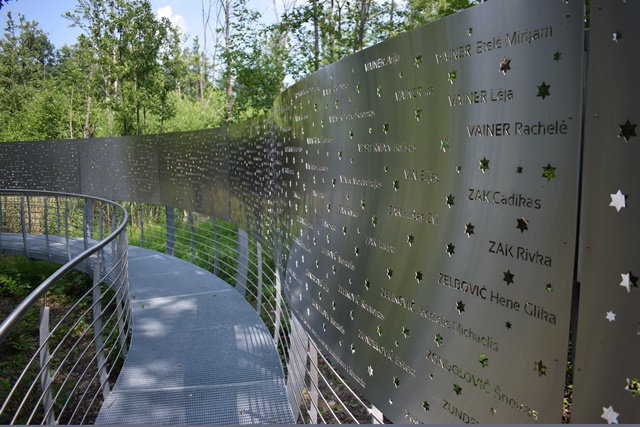
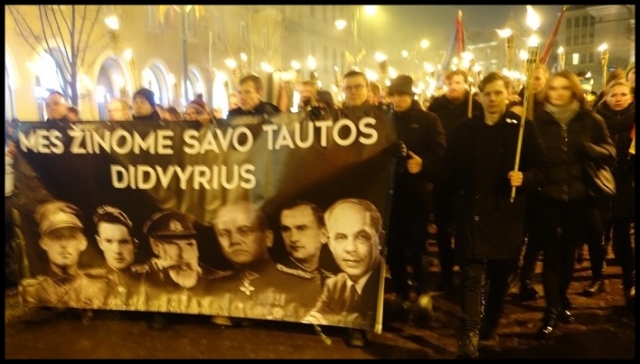
A new surge has emerged. The subject of the various high-voltage disputes? The attitude of members of society, and particularly the cultural elite and the authorities to the collaboration of the Lithuanian population with the two adversarial branches of “socialism”: the so-called workers’ and peasants’ variety (Communist) and national socialism (Nazism). During the year before the entry of Nazi troops onto the territory of the Lithuanian Soviet republic in June of 1941, and after World War II ended here in July 1944, many local people cooperated with the Soviets. The cooperation of an overwhelming part of the country’s population with the Soviet occupational authorities became especially enthusiastic and active during the long, peaceful postwar period. To a certain extent, it was natural because one always wants to live, and not just to survive, but also to find oneself, to be able to create something. However, by the sharpest of contrasts, during the Nazi occupation,considerable numbers became not just willing and active accomplices of the “general” Nazi policies pursued by the occupiers, but also initiators and enthusiasts of repressions and mass murder directed against Jews and, selectively, against members of other sections of the civilian population.
Some naively believed that Hitler’s invasion would help the nation break free of the “friendly” embrace of the USSR and restore independence. Others were guided by more prosaic considerations, such as robbing and killing their neighbors and fellow citizens. Others still did not disdain either and combined the useful with the pleasing. And it never occurred to the many elites leading these activities that killing a peaceful unarmed people in their own country, a whole people declared an enemy by the nationalist propaganda, cannot bring a nation the good luck it years for, even if you somehow assume that they really all were your enemies.
Continue reading