


Christian-Jewish Issues
Neo-Nazis Given Central Vilnius Again on March 11th Independence Day
Posted in Antisemitism & Bias, Bold Citizens Speak Out, Celebrations of Fascism, Christian-Jewish Issues, EU, Events, Human Rights, Lithuania, Litvak Affairs, Neo-Nazi & Fascist Marches, News & Views, Opinion, Vilma Fiokla Kiurė, Vilnius, Vilnius Mayor Remigijus Šimašius, Vilnius's Genocide Center and the Genocide Museum it Manages
Tagged antisemitism (Baltics), legalized swastikas (Lithuania), Lithuanian Union of Nationalist Youth, neo-Nazi marches in Lithuania, neo-nazism, Ricardas Cekutis, Vilma Fiokla Kiure, Vilnius
Comments Off on Neo-Nazis Given Central Vilnius Again on March 11th Independence Day
Arūnas Degutis, Signatory of Lithuania’s 1990 Declaration of Independence, Voices View on the Holocaust
OPINION
by Andrius Kulikauskas
◊
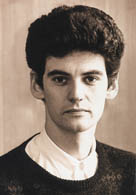
Arūnas Degutis
O
n February 26, 2016, Arūnas Degutis posted his thoughts on Lithuanian-Litvak relations at the Minciu Sodas discussion forum, one of the longest running public Internet forums in Lithuanian, which I founded in 1999. Degutis writes that Lithuanians as a nation should empathize with Jewish victims of the Holocaust, especially those murdered by Lithuanians, and indeed should make a moral apology. Degutis was one of the signers of the declaration of Lithuania’s independence on March 11, 1990. In 1984, he was thrown out of work for his ties with anti-Soviet dissidents. In the summer of 1988, he became a key organizer of the Lithuanian Reform Movement “Sąjūdis,” especially as an editor of “Sąjūdžio žinios.”
Posted in Andrius Kulikauskas, Christian-Jewish Issues, Lithuania, Litvak Affairs, News & Views, Opinion, Politics of Memory
Comments Off on Arūnas Degutis, Signatory of Lithuania’s 1990 Declaration of Independence, Voices View on the Holocaust
Massive New Vilnius Construction Site: Within or Bordering City’s Old Jewish Cemetery?
PIRAMÓNT | PAPER TRAIL | OPPOSITION | CEMETERIES
◊
VILNIUS—A massive new construction site is being dug up next door to the Soviet-era Sports Palace building in the Šnipiškės section of Vilnius. The former Sports Palace, now the subject of intense international debate over plans for a 25 million dollar conversion into a national conference center, itself “indisputably rests in the middle of the former cemetery,” as confirmed by the United States government a decade ago. But what is unknown is where that may leave this bordering site, which may or may not lie outside various hypothesized boundaries of the old Vilna Jewish cemetery, in use from the late fifteenth century to the 1830s. The last generations of pre-Holocaust Vilna Jewry called the cemetery Piramónt.
Posted in Christian-Jewish Issues, Defense of Old Jewish Cemeteries and Mass Grave Sites, Lithuania, Litvak Affairs, News & Views, Old Vilna Jewish Cemetery at Piramónt (in Šnipiškės / Shnípishok)
Tagged Lithuanian Jewish issues, Piramont, Snipiskes Jewish cemetery, Vilnius Jewish cemetery
Comments Off on Massive New Vilnius Construction Site: Within or Bordering City’s Old Jewish Cemetery?
NY Satmar Affiliate of “London Grave Traders” Tweets Triumphant Photos with US Gov “Heritage Abroad Commission” Rep
DOCUMENTS| | US GOV’S “HERITAGE ABROAD” COMMISSION | OPPOSITION TO DATE | PAPER TRAIL | SECTION | EU ASPECTS
◊
KIRYAS JOEL, NY—The “Satmar Headquarters” of the movement’s “Aaronite” branch, partners of the London-based “CPJCE / Admas Kodesh” issued this tweet earlier today, which some observers take to convey the message that the politically connected Hasidic group continues to boast of preventing the “United States Commission for the Preservation [emphasis added] of America’s Heritage Abroad” from expressing even the mildest protest at plans to erect a twenty-five million dollar convention center in the heart of Vilnius’s oldest Jewish cemetery. With the exception of the CPJCE, exposed in Wikileaks as having demanded money for their “supervision” at the same cemetery in 2009 (see Jerusalem Post and JTA reports), major rabbis and rabbinic associations, alongside a variety of Jewish and non-Jewish figures, have expressed unanimous condemnation of the project.
The condemnations include the major groups of Lithuanian (Litvak) rabbis internationally, and also the rival branch of Satmar itself, the “Zalmanite” branch, whose own highest rabbinic court last summer added its voice to the Lithuanian rabbis worldwide. Vilnius has numerous venues appropriate for the new convention center. Some observers remain baffled at the insistence on the old cemetery site, where thousands of graves lie intact, and where revelers would clap, cheer, and use bars and toilets surrounded by a half millennium’s Jewish graves, including major Jewish scholars of the city, historically Vilna, once known as the Jerusalem of Lithuania.
Posted in "Admas Kodesh", Christian-Jewish Issues, CPJCE (London), Defense of Old Jewish Cemeteries and Mass Grave Sites, Documents, Human Rights, Lithuania, Litvak Affairs, News & Views, Old Vilna Jewish Cemetery at Piramónt (in Šnipiškės / Shnípishok), United States, US State Department, USCPAHA (US Commission for Preservation of the American Heritage Abroad)
Tagged Admas Kodesh, Committee for the Preservation of Jewish Cemeteries in Europe, CPJCE, Herbert Block, Jewish cemeteries in Europe, Kiryas Joel, Piramont (Vilnius, Satmar, Satmar Aharonim, Satmar Zalmonim Zalis, Snipiskes Jewish cemetery, US Commission for the Preservation of America's Heritage Abroad, USCPAHA, Vilnius Jewish cemeteries
Comments Off on NY Satmar Affiliate of “London Grave Traders” Tweets Triumphant Photos with US Gov “Heritage Abroad Commission” Rep
Genocide Center Greets New Year’s 2016 With More Adulation of Holocaust Perpetrators
Most Lithuanian Citizens Not Aware that State-Sponsored “Genocide Center” (GC) is the only (?) Gov. Body in the EU in the Business of Glorifying Holocaust Collaborators
Defending History led the way in 2010 with page and section exposing the GC (which runs the city-center “Genocide Museum”)
NEW: ANDRIUS KULIKAUSKAS REPLIES TO GENOCIDE CENTER’S NEW ATTEMPT TO “FIX” HOLOCAUST RECORD OF KAZYS ŠKIRPA
Posted in Celebrations of Fascism, Christian-Jewish Issues, Collaborators Glorified, Double Genocide: The New Form of Holocaust Revisionism & Denial, Human Rights, Kazys Škirpa, Lithuania, Litvak Affairs, Museums, News & Views, Politics of Memory, State Glorification of Holocaust Collaborator J. Noreika, Vilnius's Genocide Center and the Genocide Museum it Manages
Comments Off on Genocide Center Greets New Year’s 2016 With More Adulation of Holocaust Perpetrators
Is Lithuania’s President Distancing Herself from Prime Minister’s “Religious Zeal” for the “Convention Center in the Old Jewish Cemetery”?
PIRAMÓNT | PAPER TRAIL | OPPOSITION | CEMETERIES
◊
NEW YORK—In response to his 20 Nov. 2015 letter that has been described by some who have seen it as “powerful,” New York businessman Berel Fried, an Orthodox Jewish scholar and descendant of many people buried at the old Piramónt Jewish cemetery in Vilnius received a reply this week from the office of Lithuania’s president, Dalia Grybauskaitė. Her reply, dated 18 Dec. 2015, was released today by Mr. Fried’s office in New York City. Mr. Fried has been a frequent visitor to Vilnius and Kaunas for many years and is a celebrated guest reader of the Torah when he visits the Choral Synagogue on Pylimo Street in Vilnius.
Posted in Berel Fried, Christian-Jewish Issues, CPJCE (London), Defense of Old Jewish Cemeteries and Mass Grave Sites, Documents, Lithuania, Litvak Affairs, News & Views, Old Vilna Jewish Cemetery at Piramónt (in Šnipiškės / Shnípishok)
Comments Off on Is Lithuania’s President Distancing Herself from Prime Minister’s “Religious Zeal” for the “Convention Center in the Old Jewish Cemetery”?
Lithuania’s Liveliest Cemetery
OPINION | PIRAMÓNT | PAPER TRAIL | OPPOSITION | CEMETERIES
by Dovid Katz
Editor’s note: Reprint from The Times of Israel, where this op-ed appeared on 13 December 2015.
◊
Back in 2009, a rancorous dispute over the old Vilna Jewish cemetery was ostensibly solved. Two new buildings, despite worldwide protests, would be allowed to remain, and in return, no more land would be pilfered from the cemetery at Piramónt, in the Šnipiškės district of modern Vilnius, the capital of Lithuania. The burial ground goes back to the late fifteenth century, at least. After the Holocaust, with virtually no descendants left to worry about, Soviet authorities helped themselves to the gravestones for use in building projects, but left many thousands of graves intact. A galaxy of eminent European rabbinic scholars and authors were buried there. But once the 2009 “Peace of Piramónt” was brokered (with help from Western embassies here), emotions cooled as all sides got on with their lives.

Future symbol for a capital city in the European Union? by VULOVAK / DefendingHistory.com
Posted in Antisemitism & Bias, Christian-Jewish Issues, Citizenship, Defense of Old Jewish Cemeteries and Mass Grave Sites, Double Games, Dovid Katz, Dovid Katz on the Old Vilna Jewish Cemetery at Piramónt, Human Rights, Lithuania, Litvak Affairs, News & Views, Old Vilna Jewish Cemetery at Piramónt (in Šnipiškės / Shnípishok), Opinion, Politics of Memory, Rothschild Foundation Europe (Hanadiv): Lithuanian Issues, USCPAHA (US Commission for Preservation of the American Heritage Abroad)
Tagged Beata Nemcova, Commission on Lithuanian-Jewish Heritage, CPJCE, Dovid Katz, Feinstein, Jewish cemeteries in Lithuania, Jews in Lithuania, Kotler, Lithuanian-Jewish relations, Litvak Affairs, Piramont (Snipiskes), Snipiskes, Snipiskes Jewish cemetery, Soloveichik, Tomasz (Tomek) Wiśniewski, US Commission for the Preservation of America's Heritage Abroad, Vilnius national convention center
Comments Off on Lithuania’s Liveliest Cemetery
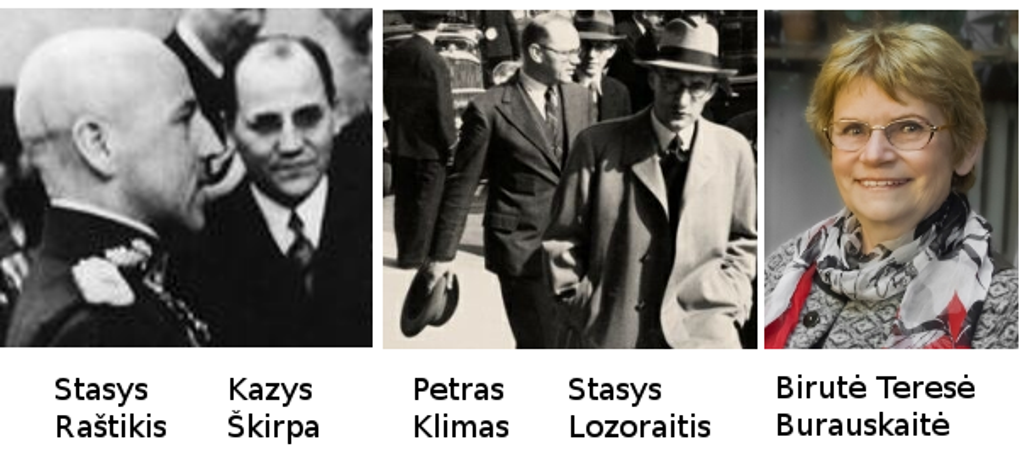
Documents Which Argue for Ethnic Cleansing (by Kazys Škirpa, Stasys Raštikis, Stasys Lozoraitis and Petras Klimas in 1940-1941 and by Birutė Teresė Burauskaitė in 2015)
O P I N I O N / H I S T O R Y
◊
2023 update: Readers experiencing difficulty accessing sources linked are referred to the archived version where original links are operative.
◊
by Andrius Kulikauskas
◊
◊
As of October 28, 2015, the home page of the Genocide and Resistance Research Center of Lithuania has a link to an authorative statement by General Director Birutė Teresė Burauskaitė about Kazys Škirpa. She responds to a request for information by the City of Kaunas, which has a street in Škirpa’s name. Škirpa was Lithuania’s representative in Berlin, the leader of the Lithuanian Activist Front, organizer of Lithuania’s anti-Soviet rebellion and Prime Minister of Lithuania’s Provisional Government in 1941. In bold letters she emphasizes:
Posted in Andrius Kulikauskas, Antisemitism & Bias, Bold Citizens Speak Out, Christian-Jewish Issues, Collaborators Glorified, Documents, Dr. Arūnas Bubnys and State Holocaust Revisionism in Lithuania, History, Human Rights, Kazys Škirpa, Legacy of 23 June 1941, Lithuania, Litvak Affairs, Museums, News & Views, Opinion, Vilnius's Genocide Center and the Genocide Museum it Manages
Comments Off on Documents Which Argue for Ethnic Cleansing (by Kazys Škirpa, Stasys Raštikis, Stasys Lozoraitis and Petras Klimas in 1940-1941 and by Birutė Teresė Burauskaitė in 2015)
It’s Not Just About Old Jewish Cemeteries
O P I N I O N / P I R A M Ó N T / P A P E R T R A I L / O P P O S I T I O N / C E M E T E R I E S
by Milan Chersonski
◊
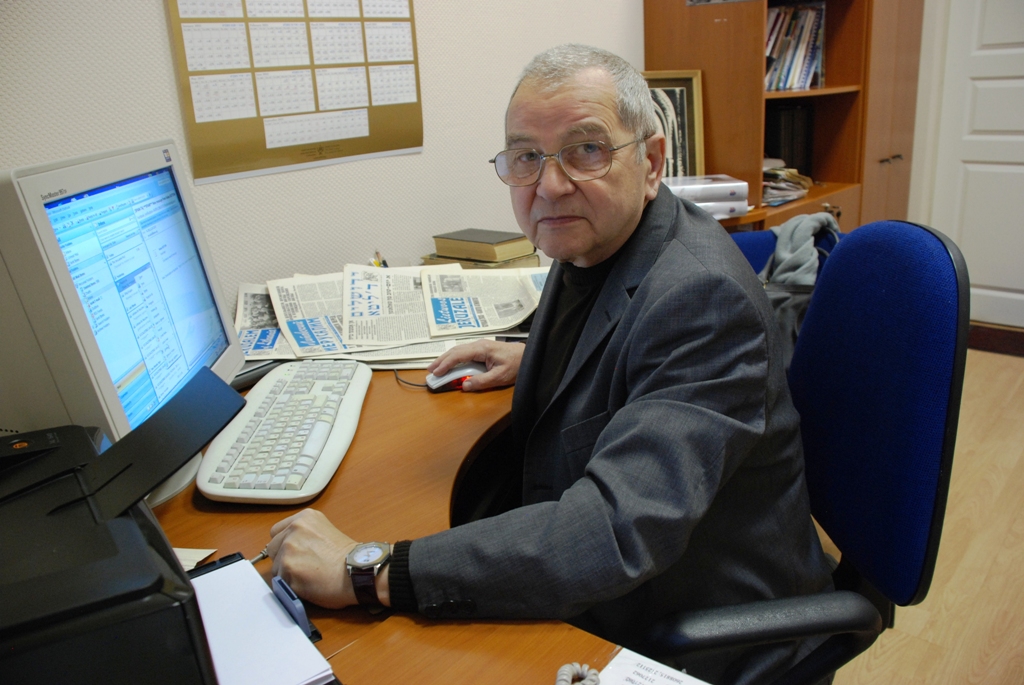 Translated from the Russian by Ludmila Makedonskaya (Grodno); English version approved by the author, Milan Chersonski (Chersonskij), longtime editor (1999-2011) of Jerusalem of Lithuania, quadrilingual (English-Lithuanian-Russian-Yiddish) newspaper of the Jewish Community of Lithuania. He was previously (1979-1999) director of the Yiddish Folk Theater of Lithuania. The views he expresses in Defending History are his own. See also Milan Chersonski section. Photo © Jurgita Kunigiškytė.
◊
There were many festive occasions celebrated once Lithuania declared its independence in 1990. So many hopes and expectations were inspired by the sweet word freedom. Free-ee-dom! Laisvė! Had it ever been possible to even imagine beforehand, taking one example, that Lithuania would hold a celebration to honor Israeli Independence Day, dear to Jews all over the world? The new state organized a large event at the Palace of Culture of the Trade Unions in Vilnius in honor of a faraway state, which in Soviet times was mentioned only as “the aggressive state of Israel.”
Posted in Antisemitism & Bias, Christian-Jewish Issues, Defense of Old Jewish Cemeteries and Mass Grave Sites, Human Rights, Lithuania, Litvak Affairs, Milan Chersonski (1937-2021), News & Views, Old Vilna Jewish Cemetery at Piramónt (in Šnipiškės / Shnípishok), Opinion, Politics of Memory
Tagged Jewish cemeteries Vilna, Milan Chersonski, Milan Chersonskij, Piramont Snipiskes cemetery, Snipiskes cemetery
Comments Off on It’s Not Just About Old Jewish Cemeteries
Vilnius Mayor Plays with Fire: Yiddish, Pilfered Jewish Gravestones, and an Olympics of “Barbarism”
O P I N I O N / C E M E T E R I E S / P I R A M Ó N T / P A P E R T R A I L
by Dovid Katz
◊
VILNIUS—This city’s dashing young new mayor, Remigijus Šimašius, elected last spring, has now added Yiddish to the previously bilingual (Lithuanian-English) signs, wrought of expensive metal in rounded-edged casement, in times of austerity for pensioners and others in town. These signs are being placed near Soviet-era edifices made of pilfered Jewish gravestones (matséyves) that are a blot on this charming East European capital. This is the latest model featured on the mayor’s office website:
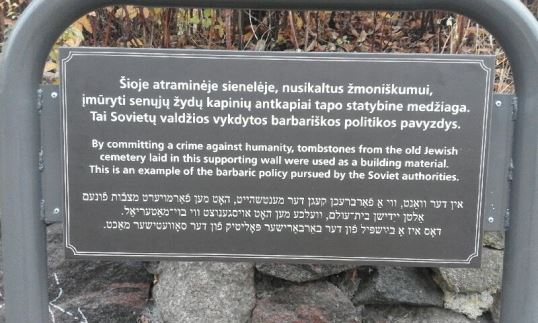
Photo: Vilnius Municipality / Mayor’s Office.
Posted in "Jewish" Events as Cover?, Christian-Jewish Issues, Collaborators Glorified, CPJCE (London), Defense of Old Jewish Cemeteries and Mass Grave Sites, Double Genocide: The New Form of Holocaust Revisionism & Denial, Foreign Ministries: Holocaust Politics Abuse?, Human Rights, Legacy of 23 June 1941, Lithuania, Litvak Affairs, News & Views, Old Vilna Jewish Cemetery at Piramónt (in Šnipiškės / Shnípishok), Opinion, Politics of Memory, Reformed Evangelical Church (Vilnius), Vilnius Mayor Remigijus Šimašius, Yiddish Affairs
Tagged Jewish cemeteries in Vilnius, Lithuanian-Jewish affairs, mayor of Vilnius, Piramont (Snipiskes), Remigius Simasius
Comments Off on Vilnius Mayor Plays with Fire: Yiddish, Pilfered Jewish Gravestones, and an Olympics of “Barbarism”
Asra Kadisha Calls on Lithuanian President, After Yad Vashem Visit in Jerusalem, to Cancel “Convention Center in the Vilna Jewish Cemetery”
NEW YORK—The Brooklyn based office of the international NGO Asra Kadisha that works to preserve Jewish cemeteries worldwide from desecration has released the following statement to coincide with the official visit to Israel of Lithuania’s president Dalia Grybauskaitė. Titled “World Jewry Hopes that Lithuanian President’s Visit to Holocaust Museum Yad Vashem will Result in Government’s Cancellation of Development Plans on Vilnius Cemetery,” it calls on the president to cancel the mass desecration of the oldest Jewish cemetery in the Lithuanian capital by a convention center where crowds would cheer, sing and drink surrounded by many thousands of Jewish graves. The old cemetery is in the Šnipiškės (Shnipishok) district, and is known in Vilna Yiddish culture as Piramónt. The Asra Kadisha statement reads as follows:
Posted in Appeals to the European Commission on Piramónt, Christian-Jewish Issues, Defense of Old Jewish Cemeteries and Mass Grave Sites, Human Rights, Lithuania, Litvak Affairs, News & Views, Old Vilna Jewish Cemetery at Piramónt (in Šnipiškės / Shnípishok)
Tagged Asra Kadisha, Dalie Grybauskaite, Jewish-Lithuanian issues, Piramont (Snipiskes), Rabbi Chaim Burshtein, Rabbi Lazar Stern, Snipiskes Jewish cemetery, Yad Vashem
Comments Off on Asra Kadisha Calls on Lithuanian President, After Yad Vashem Visit in Jerusalem, to Cancel “Convention Center in the Vilna Jewish Cemetery”
Ponár (Paneriai) Memorial: No Rabbi, No Cantor, No Kaddish
◊
Ponár (Paneriai) Commemoration on Lithuania’s Annual Holocaust Day is Dejudaicized Even More in “Nationalist Takeover of Litvak Heritage”: No Rabbi, No Cantor, No Kaddish
But ethnic Lithuanian costume and song are featured at the mass grave of Vilna Jewry. Honor guard with bayoneted rifles was a questionable touch.
Posted in Christian-Jewish Issues, Commemorations for Destroyed Communities, Events, Identity Theft of Litvak Heritage, Lithuania, Litvak Affairs, News & Views, Opinion, Politics of Memory, Ponár (Ponary, Paneriai)
Tagged Amir Maimon, Fania Yocheles Brantsovsky, Holocaust in Lithuania, Israeli Embassy in Vilnius, Mickey Kantor, Paneriai, Ponar, Rachel Margolis, Vilna Ghetto
Comments Off on Ponár (Paneriai) Memorial: No Rabbi, No Cantor, No Kaddish
New Jewish Monument in Rokiškis (Rákeshik), Lithuania, Commemorates 3 Synagogues
E V E N T S / O P I N I O N
by Dovid Katz
◊
For many years, international visitors to Rokiškis (in Yiddish: Rákishok, or less formally: Rákeshik), in northeastern Lithuania, have remarked that the town’s central area seemed to preserve little (or no) trace or commemoration of its erstwhile Jewish population, though a large monument now graces the entrance to the old Jewish cemetery outside town. Before the Holocaust, this town was home to around 3,500 Jews (some 40% of the total population, and the overwhelming majority in its central area). Luckily, a short film of pre-Holocaust Jewish Rákishok survives (from 1937), and is available on Youtube. Thanks to Polish film maker Tomek Wisniewski for circulating the link in recent days.
Posted in Christian-Jewish Issues, Commemorations for Destroyed Communities, Dovid Katz, Events, Exotic Jewish Tourism, Lithuania, Litvak Affairs, News & Views, Opinion, Rákishok (Rokiškis), Swastikas in Lithuania, Symbology
Tagged Antanas Vagonis, Aurimas Širvys, Berl Kagan, Dovid Katz, Holocaust in Lithuania, Jewish Lithuanian towns, Jewish Rokiskis, Julius Norwilla, Lithuanian-Jewish relations, Litvak issues, Litvak SIG, Meilach Balczuk-Felin, Philip Shapiro / Jewish Gen / Litvak, Rakeshik, Rakishok, Rokiskis + Jews, Rokiškis Regional Museum
Comments Off on New Jewish Monument in Rokiškis (Rákeshik), Lithuania, Commemorates 3 Synagogues
Lithuanian Post Office Honors Sugihara and Zwartendijk on 75th Anniversary of “Visas for Life”
KAUNAS—The Postal Service of Lithuania today launched two handsome commemorative envelopes in memory of two celebrated European consuls in Kaunas who helped thousands of Jews obtain visas that enabled them to leave Lithuania during the final year before the Nazi invasion and the Holocaust came to the country. The two, Chiune Sugihara (1900−1986) of Japan and Jan Zwartendijk (1896−1976) of the Netherlands risked their careers, and more, to disobey instructions and the letter of the law to save those who came to them for help. These were primarily citizens of prewar Poland who found themselves in Lithuania in the summer of 1940, when the country was being absorbed into the USSR, and the consulates and embassies in Kaunas were under pressure to close down altogether.
Posted in Christian-Jewish Issues, Events, Japan, Lithuania, Litvak Affairs, News & Views, Use and Abuse of Sugihara
Comments Off on Lithuanian Post Office Honors Sugihara and Zwartendijk on 75th Anniversary of “Visas for Life”
Translation of the Summer 2015 Call by 12 Litvak Rabbis in the US on Vilnius Jewish Cemetery
The recent rabbinic declaration dated Av 5775 (16 July−15 August 2015) concerning the old Jewish cemetery in Vilnius was released in parallel Hebrew and English texts (and appeared this way in the 30 July 2015 American edition of Hamodia; it was reported on in its 29 July online edition, and in a 30 July DH report). The document is prominently cited in a statement issued earlier today by the office of Lithuania’s chief rabbi.
The English text was in effect a short summary. The following is a draft translation of the original Hebrew text of the proclamation, the image of which follows below.
Posted in Appeals to the European Commission on Piramónt, Christian-Jewish Issues, Defense of Old Jewish Cemeteries and Mass Grave Sites, Lithuania, Litvak Affairs, News & Views, Old Vilna Jewish Cemetery at Piramónt (in Šnipiškės / Shnípishok)
Comments Off on Translation of the Summer 2015 Call by 12 Litvak Rabbis in the US on Vilnius Jewish Cemetery
Lithuania’s Chief Rabbi Issues Statement Opposing Convention Center Project at Old Jewish Cemetery
O P I N I O N / D O C U M E N T S / C E M E T E R I E S / P I R A M Ó N T
VILNIUS—The office of Rabbi Chaim Burshtein, chief rabbi of Lithuania since 2004, today released to the media the following statement, adding to statements of opposition to the proposed convention center at Piramónt. It follows a contrary statement from the head of the Jewish Community of Lithuania published on its website.
◊
From the Office of the Chief Rabbi of Lithuania
Vilnius, 26 Av 5775 / 11 August 2015
◊
My dear fellow Jews in Lithuania,
A primary task of every Jewish community is to care about old and new Jewish cemeteries. The Vilnius cemetery in Šnipiškės (Shnipishok), long known as Piramont, was purchased by the Jewish community for the full price in 1487, and many thousands of the city’s Jewish citizens paid for their and their loved ones’ plots of burial ground. Among those buried there were many of the greatest of our nation: rabbis, dayanim, teachers, authors of books of rabbinical thought and Jewish learning. In virtue of their achievements, Vilna became the capital of the Jewish world for many generations.
Posted in Chaim Burshtein, Christian-Jewish Issues, Defense of Old Jewish Cemeteries and Mass Grave Sites, Lithuania, Litvak Affairs, News & Views, Old Vilna Jewish Cemetery at Piramónt (in Šnipiškės / Shnípishok), Opinion, Rabbi Chaim Burshtein
Tagged Jewish issues in Vilnius / Lithuania, Piramont cemetery, Snipiskes Jewish cemetery
Comments Off on Lithuania’s Chief Rabbi Issues Statement Opposing Convention Center Project at Old Jewish Cemetery
“Absolute Barbarism”: An Orthodox Jewish Resident of Vilnius Speaks Out on Piramónt (Šnipiškės) Cemetery
O P I N I O N / T H E C E M E T E R Y A T P I R A M Ó N T
by Ruta (Reyzke) Bloshtein
◊

Ruta (Reyzke) Bloshtein
This week we Jews observed the saddest day in our people’s tradition — Tisha B’Av (Yiddish: Tíshebov), the annual fast day which commemorates the anniversary of a number of disasters in Jewish history, primarily the destruction of both the first and second temples in Jerusalem. On this day of mourning and lamentation we fast. While sitting on the floor and reading the Book of Lamentations and the Kinoys (sacred poems of mourning), I thought about the Tíshebov tradition of visiting graves of our great sages and of departed family members.
In Vílne (Vilnius), this tradition was observed for ages by visiting the Piramónt cemetery, where throughout a period of more than five hundred years hundreds of thousands have been buried there — the Jews of Vílne, our ancestors among them — and so many illustrious rabbis and sages, who passed on the infinite treasures of their wisdom to us, to help us find the most honest and ethical way of life. It is, in our belief, on account of their merits that the rebuilding of the third temple will come sooner.
Posted in Bold Citizens Speak Out, Christian-Jewish Issues, Defense of Old Jewish Cemeteries and Mass Grave Sites, Lithuania, Litvak Affairs, News & Views, Old Vilna Jewish Cemetery at Piramónt (in Šnipiškės / Shnípishok), Opinion, Ruta (Reyzke) Bloshtein
Tagged Jewish cemetery at Piramont (Snipiskes, Ruta Bloshtein, Vilnius Jewish cemetery
Comments Off on “Absolute Barbarism”: An Orthodox Jewish Resident of Vilnius Speaks Out on Piramónt (Šnipiškės) Cemetery
Asra Kadisha Faults Lithuanian Authorities for Forming “Heritage Commission” to Preserve Cemeteries While “Doing the Opposite on the Ground”
NEW YORK—Rabbi Lazar Stern, New York area chairman of the international religious Asra Kadisha organization that calls for preservation of threatened Jewish cemeteries, issued a statement today concerning the latest prima facie instance of desecration of the final resting place of dead Jewish citizens of Lithuania. This time the fracas concerns a Holocaust-era mass grave site in Šiauliai (Shavl), in northwestern Lithuania. Published in a number of media outlets, including Baltic News Service (BNS), News.lt, Gnome.es, the Asra Kadisha statement calls for an immediate halt to the ongoing excavations. These works rapidly resulted in lurid pictures of human remains and personal possessions (including shoes) with which these people were murdered, being splashed over a number of Lithuanian online publications, including 15min.lt; Etaplius.lt; Skrastas.lt; Snaujienos.lt. Asra Kadisha is Aramaic for “Holy Place” and refers here to the sanctity of human burial grounds.
UPDATE OF 16 JULY:
Protests lead to Rapid U-Turn by Authorities
Posted in Christian-Jewish Issues, Defense of Old Jewish Cemeteries and Mass Grave Sites, Lithuania, Litvak Affairs, News & Views, Old Vilna Jewish Cemetery at Piramónt (in Šnipiškės / Shnípishok), Rabbi Chaim Burshtein
Tagged Asra Kadisha, Holocaust in Lithuania, Jewish cemetery in Vilnius, Jewish cemetery Snipiskes / Snipisek / Shnipishok / Piramont, mass grave in Siauliai (Shavl), Rabbi Chaim Burshtein
Comments Off on Asra Kadisha Faults Lithuanian Authorities for Forming “Heritage Commission” to Preserve Cemeteries While “Doing the Opposite on the Ground”
In Defense of Transparency at the Milwaukee Symphony Orchestra
O P I N I O N / M U S I C
by Ronald C. Kent
◊
In January 2012 I became aware of a then-upcoming performance of Carl Orff’s “Carmina Burana” by the Milwaukee Symphony Orchestra. Since I knew that Carl Orff was a Nazi-approved composer, who created this work in 1936, I wrote a letter to Maestro Andreas Delfs and Music Director Edo de Waart, requesting that they place the biography of Orff during the Nazi period in the program, in the interest of enlightenment, transparency, and full disclosure, thereby situating “Carmina Burana” in its historical context for listeners.
Posted in Christian-Jewish Issues, Collaborators Glorified, Germany, Media Watch, Music, News & Views, Opinion, Politics of Memory
Tagged Andreas Delfs, Carl Orff, Carmina Burana, Edo de Waart, ILHA, International Labor History Association, Milwaukee Journal Sentinel, Milwaukee Symphony Orchestra, Ronald C. Kent
Comments Off on In Defense of Transparency at the Milwaukee Symphony Orchestra