O P I N I O N
Dear Mr. Hirsch,
Congratulations on your selection as judge of the new literary translation contest named for the eminent late Yiddish poet Avrom (Abraham) Sutzkever (1913-2010). News of the contest was today disseminated far and wide (information affixed below, for readers’ rapid reference, and to help inspire more entries in your competition).
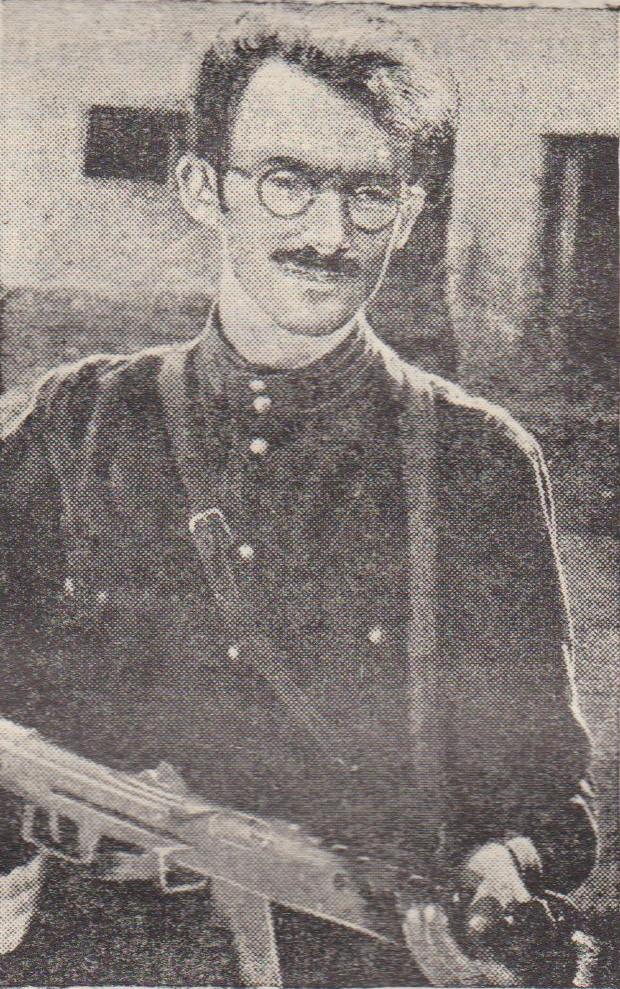
Will prosecutors (and the writers’ union) in Vilnius be told about Avrom Sutzkever’s days with the Soviet partisans?
You may know that in addition to being a major twentieth century Yiddish poet and editor, Sutzkever survived the Holocaust by escaping the Vilna Ghetto to join the anti-Nazi Jewish partisans. You may or may not know that elderly Lithuanian Jewish Holocaust survivors, who like Sutzkever escaped certain death by joining the partisans, but who are still alive and relatively well, have been defamed as “war criminals” by the same Lithuanian government that recently invested in a Sutzkever plaque in Vilnius, brought over his Israeli family for festivities, and invests in ever more Jewish and Yiddish PR stunts (complete with honors for compliant foreigners) to camouflage a campaign of revisionism.
This is on top of a disturbing toleration of serious antisemitism, including in recent years, state-sanctioned neo-Nazi marches in the heart of the capital city on independence day, the legalization of public swastikas (the UN Human Rights Committee has commented), and inaction regarding front pages of mass circulation newspapers worthy of the 1930s. The most famous examples in recent years are depictions of the Jew and the Gay controlling the world (2009), and, less than a year ago, of one of the city’s resident rabbis.
Continue reading


 MEP Vytautas Landsbergis, former speaker of the Lithuanian parliament and leader of the Lithuanian independence movement in the late ‘80s and early ‘90s, unveiled his latest polemic at a ceremony cum press conference held on the first floor of the Signatarų Namai building in Vilnius’s Old Town on September 11, 2012, the historic site where Lithuanian independence was proclaimed from the balcony to the street below sometime around February 16, 1918.
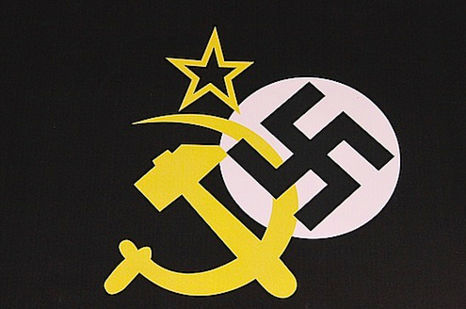 With the recent Lithuanian elections barely out of the way, and the ruling right-wing Homeland Union Conservatives the undisputed losers, the ultranationalist right is losing no time in pressing ahead aggressively with the Double Genocide “red-equals-brown” agenda, reverting to one of the movement’s original slogans: “United Europe — United History.” For pro-tolerance and liberal forces, the profoundly undemocratic message implied is that a united Europe has to also be united (i.e. have one opinion) on questions of history, and that Double Genocide and its central document, the
 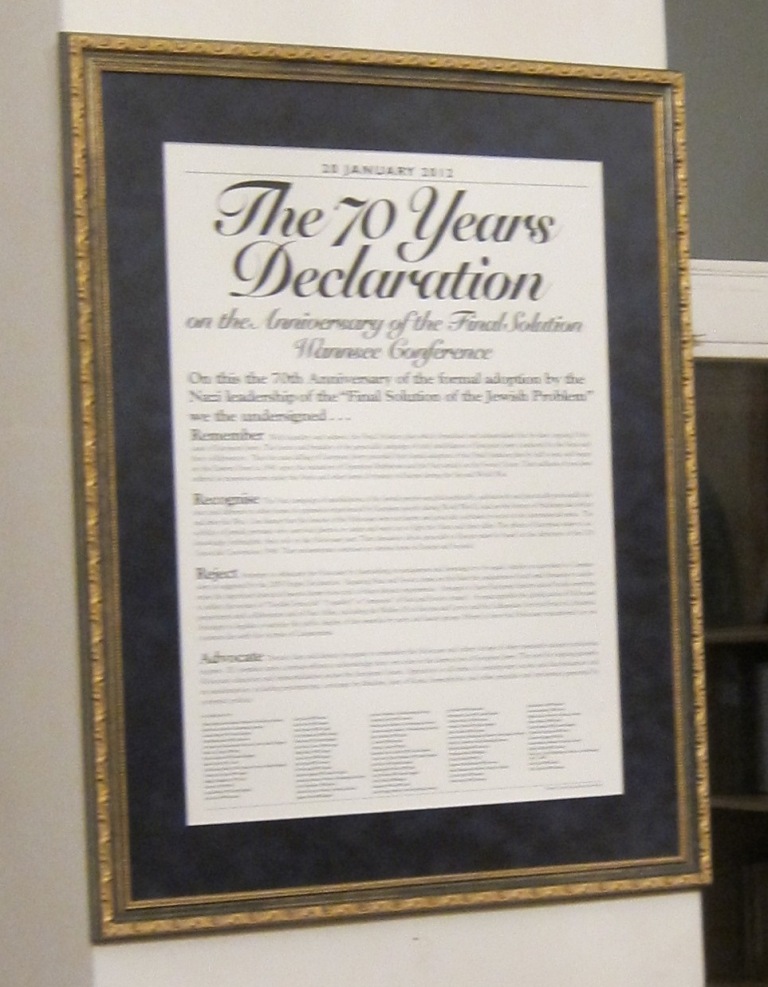 Solemnly commemorates the Holocaust and reaffirms human rights of all people. Opposes the