O P I N I O N / T H E C E M E T E R Y A T P I R A M Ó N T
by Ruta (Reyzke) Bloshtein
◊
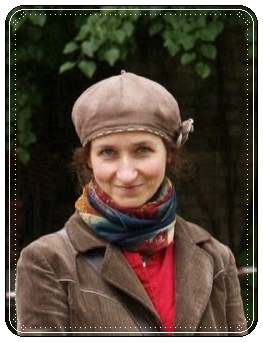
Ruta (Reyzke) Bloshtein
This week we Jews observed the saddest day in our people’s tradition — Tisha B’Av (Yiddish: Tíshebov), the annual fast day which commemorates the anniversary of a number of disasters in Jewish history, primarily the destruction of both the first and second temples in Jerusalem. On this day of mourning and lamentation we fast. While sitting on the floor and reading the Book of Lamentations and the Kinoys (sacred poems of mourning), I thought about the Tíshebov tradition of visiting graves of our great sages and of departed family members.
In Vílne (Vilnius), this tradition was observed for ages by visiting the Piramónt cemetery, where throughout a period of more than five hundred years hundreds of thousands have been buried there — the Jews of Vílne, our ancestors among them — and so many illustrious rabbis and sages, who passed on the infinite treasures of their wisdom to us, to help us find the most honest and ethical way of life. It is, in our belief, on account of their merits that the rebuilding of the third temple will come sooner.