15 August 2016
(1) Below our pasekh tsvey yudn chapter comparing the new FRCL version with the old (combining the old FRCL with pasekh tsvey yudn from Vilna)
Remaining/other issues would be adding on some appropriate keys:
(2) the classic Yiddish hypen:
שטאָט⸗טויערן
בת⸗יהודה
Ideally this hyphen would be just a little smaller than now vis a vis the font size.
(2) Can the Hebrew / Yiddish apostrophe (perhaps unmarked, on the regular key?) be be slanted as in classic printed books, not English upright: (at the moment we’ve been pasting in an apostrophe from ‘somewhere’ (don’t know where!) as in
′ר
ער′ט
(3) Can there be classic open and closed quotes that are upper and lower:
upper (which we’ve been pasting in from ‘somewhere’)
תשע״ד
וד״ל
And classic upper and lower which we’ve not found yet:
״אַ מעשה״
The open quote (here before אַ would be BENEATH the line)?
Or do these already exist?
———————————————————————-
PASEKH TSVEY YUDN
(1) Old FRCL with pasekh tsvey yudn inserted from Vilna:
זײַנען ווײַנשטיין דרײַ טריישאַפט
(2) NEW FRCL with adjusted pasekh tsvey yudn:
זײַנען ווײַנשטיין דרײַ טריישאַפט
————————————————————————————
BELOW FIRST CHAPTER OF EYKHO TRANSLATION IN THE NEW FRANK RUHL CURLED LAMED WITH ADJUSTED PASEKH TSVEY YUDN. OUR PUBLISHED VERSION (FOR COMPARISON) HAS THE OLD FRCL WITH PASEKH TSVEY YUDN INSERTED BY HAND (AT https://defendinghistory.com/the-book-of-lamentations-in-lithuanian-yiddish).
(א) אֵיכָה יָשְׁבָה בָדָד
ווי אַזוי זשע זיצט זי איינע אַליין, די שטאָט, וואָס איז דאָך אַזוי גרויס געווען, אַזש אַ פולע מענטשן? ווי אַן אלמנה איז זי געוואָרן: אַזוי גרויס געווען בײַ די פעלקער, אַ פּרינצעסין פאַר די אַלע פּראָווינציעס, איז זי גאָר אין אַ צאָלערקע פון צינדז פאַרוואַנדלט געוואָרן:
(ב) בָּכוֹ תִבְכֶּה בַּלַיְלָה
אַז וויינען וויינט זי באַנאַכט, און די טרערן באַ איר זײַנען אַף די באַקן: זי האָט ניט ווער טרייסטן זאָל איר, פון די אַלע האָלטהאָבער: אַז די חברים האָבן איר אַלע פאַרראַטן, זײַנען איר פאַר שונאים געבליבן:
(ג) גָּלְתָה יְהוּדָה
אין גלות איז אַוועק יהודה, אין מוטשעניש און אין קנעכטשאַפט, אַ פולע: זי זיצט⸗זאַך צווישן די פעלקער, טרעפט ניט קין מנוחה פון די אַלע וואָס רודפן איר: אַז זיי האָבן איר דען איבערגעיאָגט אַווען ס′האָט שמאָל געהאַלטן:
(ד) דַּרְכֵי צִיּוֹן אֲבֵלוֹת
די וועגן קין ציון פּראַווען אבילות, אַז ס′פעלן אַדיאָ וואָס קומען אַף יום⸗טוב: וויסטע זײַנען באַ איר די שטאָט⸗טויערן: די כהנים זיפצן, די בתולות איז קאַלעמוטנע, און זי — איר איז, אײַ, ביטער:
(ה) הָיוּ צָרֶיהָ לְרׁאשׁ
אויבנאָן זײַנען אירע פײַנטהאָבער אַרוף: באַרואיקן זיי זאַך, די שונאים אירע, אַלמאי גאָט האָט איר אַקעגנגעטאָן פאַר די פולע זינד: אַזש די קליינע קינדערלעך אירע זײַנען אין געפאַנגעניש אַוועק, פון פאַרן פײַנטהאָבער:
(ו) וַיֵצֵא מִן בַּת צִיּוֹן
פון בת⸗ציון האָט זיך אָפּגעטאָן גאָר די פּראַכט: אירע פּרינצן זײַנען ווי הינדן געוואָרן, אַוואָס זיי טרעפן ניט אַוואו⸗זאַך פּאַשען: פאַרן רודף זײַנען זיי געגאַנגען, אָן כח:
(ז) זָכְרָה יְרוּשָׁלַיִם
האָט⸗זאַך פאַרגעדענקט ירושלים, אין די טעג פון אירע מוטשעניש מיט אירע צרות, אין די אַלע גליקלעכקײַטן וואָס באַ איר איז פון גאָר די אַמאָליקע יאָרן געווען: אַז דער פאָלק אירער איז באַם פײַנטהאָבער אין האַנט אַרײַנגעפאַלן, און אַף צו הילף קומען איז אַקיינער ניט געווען, האָבן זיך אָדי פײַנטהאָבער צוגעקוקט, איר אָפּגעלאַכט אַוואָס ס’איז אַלציקעדינג באַ איר אָפּגעשטעלט:
(ח) חֵטְא חָטְאָה יְרוּשָׁלַיִם
געזינדיקט האָט ירושלים געזינדיקט, איז זי אַזוי אַרומעט אַ נידה געוואָרן: אָדי אַלע, אַוואָס זיי האָבן איר אָפּגעגעבן כבוד האָבן אין איר שוין מזלזל געווען, אַז זיי האָבן איר נאַקעטערהייט דאַזען: אַז זי אַליין טוט זיפצן, און האָט⸗זאַך אַף קאַריק אומגעקערט:
(ט) טֻמְאָתָהּ בְּשׁוּלֶיהָ
שוין אין קליידל איז דאָ באַ איר די טומאהניש, זי האָט זיך ניט דאַטראַכט וואָס′ט זײַן פאַראַ סוף: גייט זי אַראָפּעט אַ פאַרהִתְפַּעֲלוּתטע וואָס ס′ניטאָ ווער זאָל טרייסטן —
„זע, גאָט, מײַן מוטשעניש: אָט ווי אַזוי דער שונא מאַכט⸗זאַך אַזש גרויס“:
(י) יָדוֹ פָּרַשׁ צָר
אוֹיסגעשפּרייט האָט דער פײַנטהאָבער זײַן האַנט אַף אַלע טײַערסטע אוצרות אירע: זי האָט געזען, ווי די פעלקער קומען אין בית המקדש אַרײַנעט, אַזעטקענע אַוואָס דו האָסט געהייסן זיי זאָלן אין קהל דײַנעם ניט קומען:
(יא) כָּל עַמָהּ נֶאֱנָחִים
גאָר דער פאָלק באַ איר טוט זיפצן, בעטלען ברויט: זייערע חפצים די טײַערע האָבן זיי דאָך פאַר מאכלים געגעבן, זיך אַ קוויק טאָן די נשמה:
◊

◊
„זע, גאָט, און קוק זשע אײַנעט וואָס פאַראַ פאַרביליקטע בין איך פאַרבליבן:
(יב) לוֹא אֲלֵיכֶם
„א י ר אַלע, פאַרבײַגייער — ל א ע ל י כ ם! קוקט⸗זיך גוט אײַנעט דען און זעט, אויבע פאַראַן איז גאָר אַ ווייטיק אַמער פון מײַן ווייטיק, אַוואָס מיר איז אָפּגעטאָן, מיט וואָס גאָט האָט מיר אַקעגנגעטאָן אין טאָג פון זײַן גרימצאָרן:
(יג) מִמָרוֹם שָׁלַח אֵשׁ
„פון הייכענישן ט′ער מיר אַ פײַער אין די ביינער געשיקט, און ער′ט עם אַראָפּגעלאָזן, אַ כאַפּערשע נעץ צו די פיס ט′ער מיר אוֹיסגעשפּרייט: ער האָט מיר אַף קאַריק געטאָן שיקן, פאַר אַ וויסטע מיר געמאַכט, אַז ס′איז אין חלשות אַ גאַנצן טאָג:
(יד) נִשְׁקַד עַׁל פְּשָׁעַי
„צונויפגעפלאָכטן זײַנען מײַנע אַלע זינד אין איין יאָך, באַ עם אין די הענט, און אײַנגעשפּאַנט אין זיי אַלע איז מײַן האַלדז: ער האָט באַ מיר דעם כח אַזש קאַלע געמאַכט: גאָט האָט מיר געגעבן אין די הענט פון [אַזעטקענע וואָס טוען], איך זאָל זאַך אופשטעלן גאָר ניט קענען:
(טו) סִלָּה כָּל אַבִּירַי
„אַז פאַרהֶפְקֶרְט האָט גאָט באַ מיר גאָר די יונגע גיבורים, אַוואָס אַרום מיר: ער האָט נאָך אַף מיר יום⸗טוב אַרוֹיסגערופן, אַף די בחורים מײַנע אײַנברעכן: אַזש ווי אין אַ ווײַנקלאַפּ, האָט גאָט די בתולה בת⸗יהודה צוטראָטן:
(טז) עַל אֵלֶה אֲנִי בוֹכִיָּה
„אַף אָטאָ דיאָ טו איך וויינען: מײַן אויג, מײַן אויג, לאָזט וואַסערן אַראָפּ, אַז איטלעכער וואָס טוט טרייסטן האָט זיך פון מיר פונווײַטגעהאַלטן: אַז די וואָס האָבן מיר די נשמה דאַקוויקט, סאַמע קינדער מײַנע, זײַנען זיי אַליין אין פאַרוויסטעניש: ווײַלע דער שונא′ט גובר געווען:
(יז) פֵּרְשָׁה צִיּוֹן בְּיָדֶיהָ
„אַ שפּרייט אוֹיס טוט צִיוֹן מיט די הענט אירע: אַז ס′ניטאָ ווער ס′עט טרייסטן: האָט דאָך גאָט געהייסן אַף יעקבן, אַז די פײַנטהאָבער זײַנע זאָלן עם אַרומענאַרום זײַן: און צווישן זיי אַלעמען, איז גאָר פאַר אַ נידה געבליבן ירושלים:
(יח) צַדִּיק הוּא יי
„איז דאָך גאָט פאָרט דער רעכטפאַרטיקער: אַקעגן ז ײַ ן וואָרט האָב א י ך דאָך ווידערשפּעניקט: איז הערט זשע זאַך צו, אַלע פעלקער און טוט זען דעם ווייטיק, אַז די בתולות מיט די בחורים אינאיינעם ט′מען אין געפאַנגענשאַפט אַרוֹיסגעפירט:
(יט) קָרָאתִי לַמְאַהֲבַי
„כאָ′דאָך אַ רוף געטאָן מײַנע געליבטע, האָבן זיי מיר אָבער אָפּגענאַרט: אַזש די כהנים מײַנע, מיט די זקנים מײַנע, אַוואָס אין שטאָט, פאַר הונגער זײַנען זיי אוֹיסגעגאַנגען, באַם אוֹיסבעטן זאַך אַוואָס צובײַסן:
(כ) רְאֵה יי כִּי צַר לִי
„איז זע, גאָט, ווי אַזוי באַ מיר האַלט שמאָל, אַז ס′ברענט אַזש באַ מיר די אינגעווייד: אוֹי, האָב איך חרטה, אַז ווידערשפּעניקן האָב איך ווידערשפּעניקט: אינדרויסן האַקט אָפּעט די שווערד און אינעווייניק איז גלאַט ווי דער טויט:
(כא) שָׁמְעוּ כִּי נֶאֱנָחָה
„אַ ז י י האָבן דאַהערט אַזש ווי אַזוי כ′טו זיפצן, אַז ס′ניטאָ ווער זאָל טרייסטן: אַז די אַלע שונאים זײַנען געוואָר געוואָרן מײַנע צרות, האָבן זיי⸗זאַך דאַפרייט, אַלמאי אָדאָס האָ ס ט ע געמאַכט: דרום ווע ס ט ע בריינגין צו טראָגן אָדעם טאָג, אַוואָס ד ו ′ע ס ט עם אַרוֹיסרופן, און זיי אַלע, צו מיר וועלן זיי זײַן צוגעגליכן:
(כב) תָּבׁא כָל רָעָתָם
„טאָ זאָל די גאַנצע שאַלקהאַטפיקײַט ז י י ע ר ע קומען פון פאַר דיר: און ז י י טו אָפּעט אַוואָ′ דו′סט מ י ר אָפּגעטאָן אַף אַלע מײַנע זינד: באַ מיר איז אַ פולע זיצפן, און די האַרץ — אַ פאַרחלשטע“:
◊
◊
◊


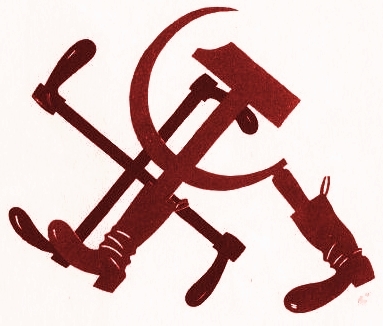 Holocaust survivors from Lithuania, and their families and advocates, are reporting feelings of “shock and betrayal” at “unbelievable reports” that Yad Vashem might again be lending legitimacy to the Lithuanian government sponsored “red-brown commission.” These accounts derive from a BNS (Baltic News Service) report today that appeared in various Lithuanian media, including
 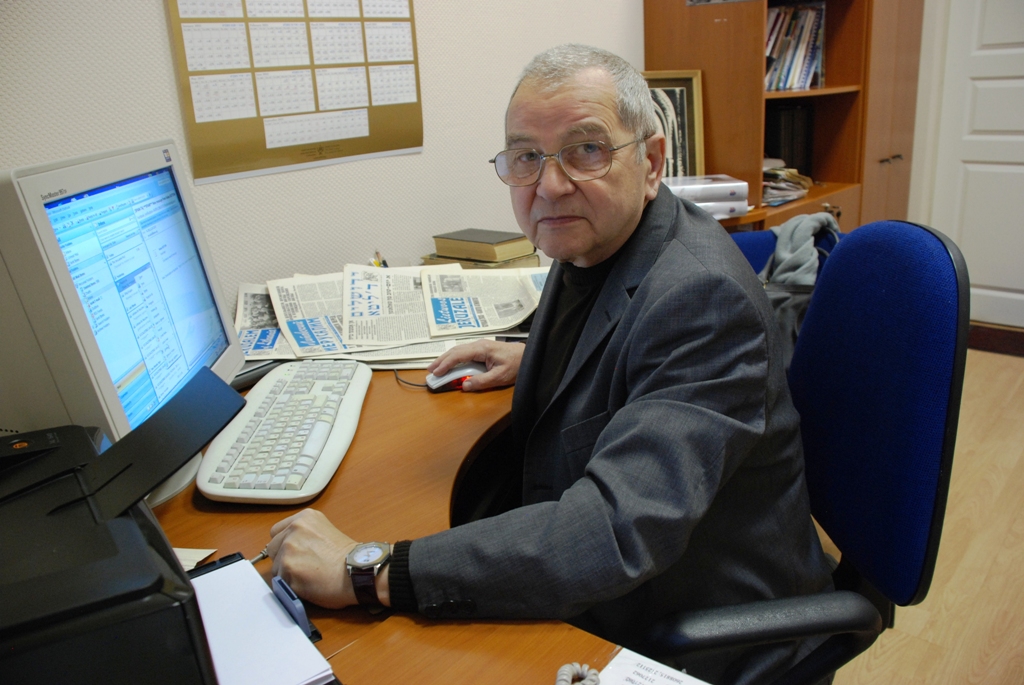 Milan Chersonski (Chersonskij), longtime editor (1999-2011) of Jerusalem of Lithuania, quadrilingual (English-Lithuanian-Russian-Yiddish) newspaper of the Jewish Community of Lithuania, was previously (1979-1999) director of the Yiddish Folk Theater of Lithuania, which in Soviet times was the USSR’s only Yiddish amateur theater company. The views he expresses in DefendingHistory are his own. This is an authorized translation from the