A new law in effect criminalizing anti Double Genocide opinions has been passed by the Lithuanian parliament and signed into law by the president. Full text of the law. In English translation. The move followed adoption of a similar statute by Hungary’s new right-wing government.
See also:
DEMOCRACY & FREE SPEECH SECTION
———
UPDATES (TO SEPT. 2011):
The Jewish community’s 2010 response to the new law
Professor Leonidas Donskis’s response to the 2008 proposals
Comments by Dovid Katz in 2009 and 2011
The new law criminalizes debate on the Holocaust and World War II, imposing punishments that include prison sentences of up to two years for those who would argue that Soviet crimes in Lithuania did not constitute genocide (hence: upon those who would challenge the notion that ‘Soviet and Nazi crimes are equal’). The opposing view (e.g. of this website) holds that Soviet crimes in Lithuania were horrendous but did not constitute genocide (following Donskis 2009, Katz 2009 etc; see page on Soviet crimes and draft response to the Prague Declaration).
 On 29 June 2010, the Lithuanian Parliament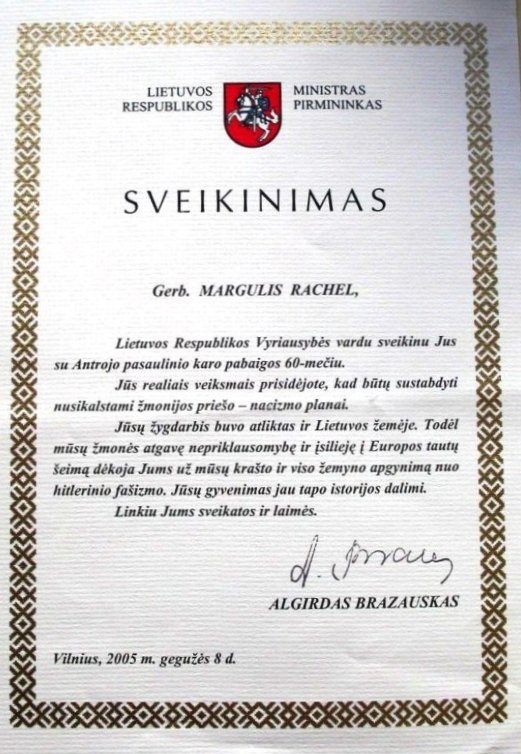
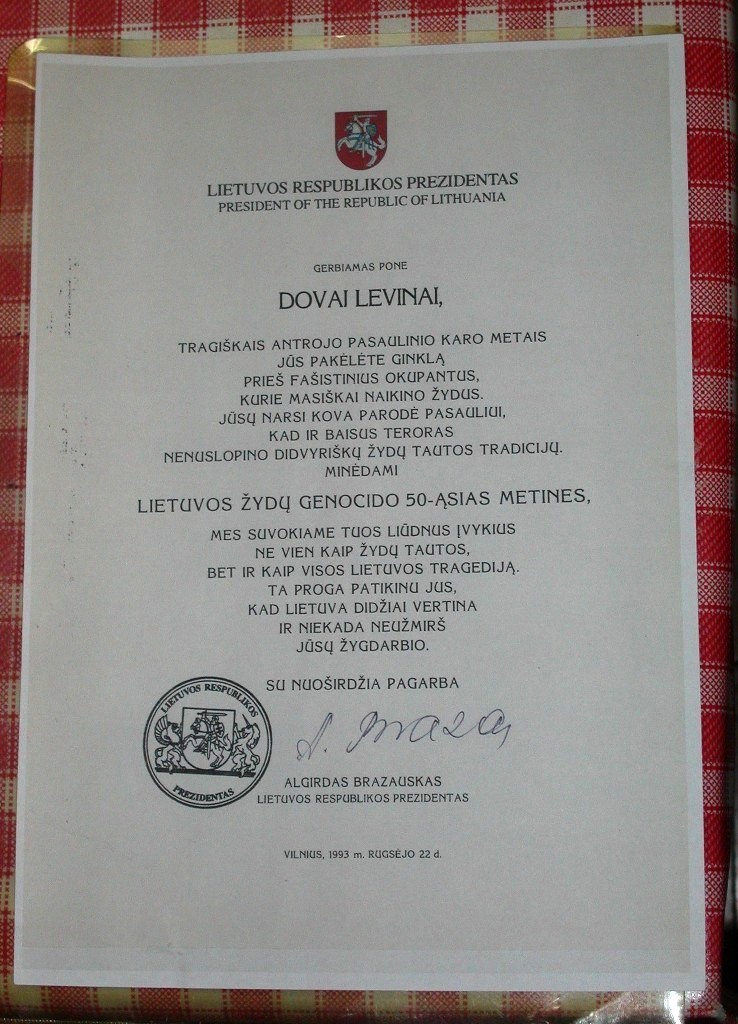
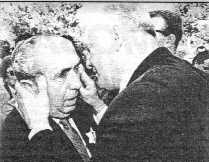 But in modern Litvak collective memory, there is perhaps one incident, that took place one day before, that will be remembered even more. The Lithuanian delegation was met by a picket line of Holocaust survivors near Yad Vashem. One elderly survivor, Y. Brosh, whose entire family was murdered at Ponar, made his feelings known robustly. Like the other survivors who protested, he was wearing a yellow star on his jacket. President Brazauskas went over to to the man, hugged him and kissed him.
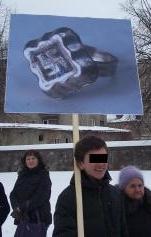 A Lithuanian court in Klaipeda approved the public display of swastikas on the grounds that they are ‘Lithuania’s historical heritage rather than symbols of Nazi Germany’. An ultranationalist ‘expert’ transported from Vilnius was easily able to persuade the court, which did not bother to ask a contrasting view of the Holocaust Survivor community, or the Jewish Community of Lithuania, in a European country with one of the highest proportions of Holocaust genocide on the continent. This sad distinction resulted from
 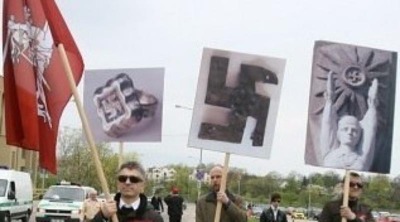 A Lithuanian court in Klaipeda approved the public display of swastikas on the grounds that they are ‘Lithuania’s historical heritage rather than symbols of Nazi Germany’. An ‘expert’ transported from Vilnius was easily able to persuade the court, which did not bother to ask a contrasting view of the Holocaust Survivor community, or the Jewish Community of Lithuania, in a European country with the highest proportion of Holocaust genocide on the continent. This sad distinction resulted from
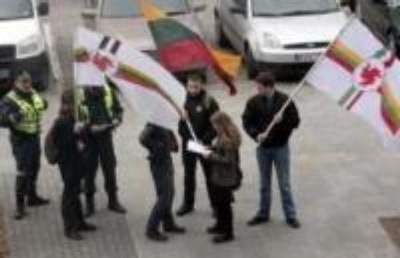
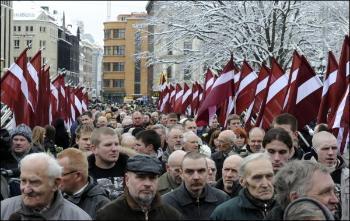
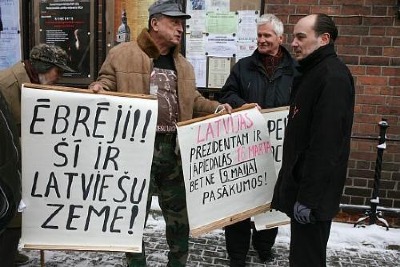
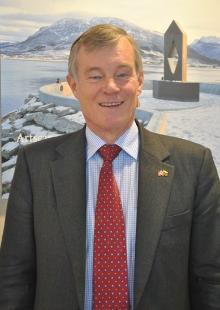 Norway’s ambassador to Lithuania HE Steinar Gil has emerged as a Baltic region champion of human rights, at a time when the Lithuanian government continues its gestures of support for the March 11th neo-Nazi marchers (parallel to Latvian leaders’ stout defense of the March 16th Waffen SS march in Riga). Speaking at a March 19th forum on ‘European and Lithuanian Values’ at the Lithuanian parliament, Ambassador Gil remarked for the record: ‘Every foreigner in Lithuania noticed this march, where the participants were shouting “Lithuania for Lithuanians”. We were shocked.’ The ambassador also pointed out politely that fifty parliamentarians had signed a petition to ban the Baltic Pride gay-rights parade. He asked: How many had spoken up against the nationalist march? He added that every person with respect for herself or himself and for her or his country should condemn this kind of manifestation. Others who have spoken up include Irish ambassador HE Dónal Denham; UK ambassador HE Simon Butt; and Lithuania’s sole Liberal member of the European Parliament, Prof. Leonidas Donskis.