O P I N I O N
◊
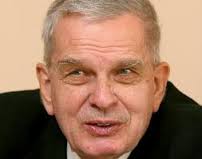
Tomas Venclova
Editor’s note: Our colleague Prof. Pinchos Fridberg drew our attention to a page on Radio Svoboda’s website, by Elena Fanailova, featuring both the audio and transcript of a recent interview conducted by Donata Subbotko for the Polish weekly Gazeta Wyborcza with the famed Lithuanian humanist, poet, essayist and professor Tomas Venclova. Text of the Polish version appears in Gazeta Wyborcza. The Russian text also appeared, at Prof. Fridberg’s initiative, in Obzor.
The following brief excerpt, concerning Banderism in Ukraine and analogous tendencies in Lithuania and elsewhere, has been translated into English (from the Russian) by Ludmila Makedonskaya. See also Defending History’s section dedicated to Tomas Venclova. Our page on bold Lithuanian truth tellers includes some of Prof. Venclova’s writings from the 1970s onward. His famous essay from the period, Jews and Lithuanians, is available in his collection of essays Forms of Hope.
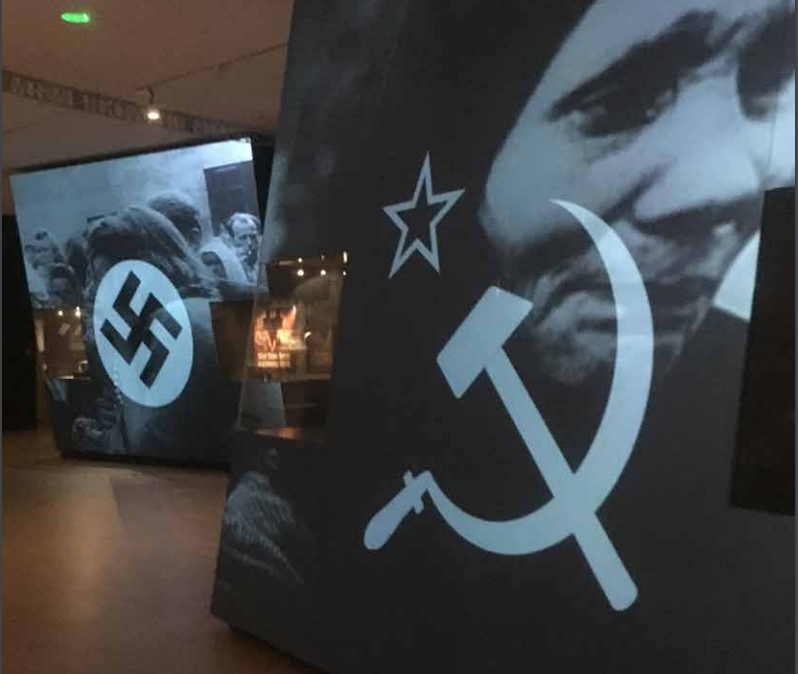
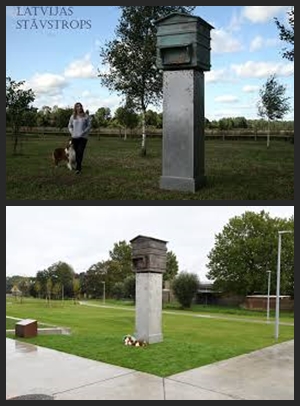
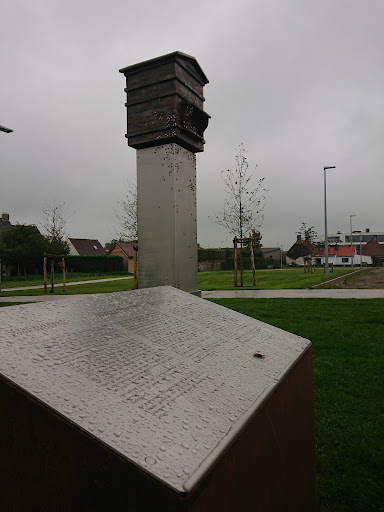
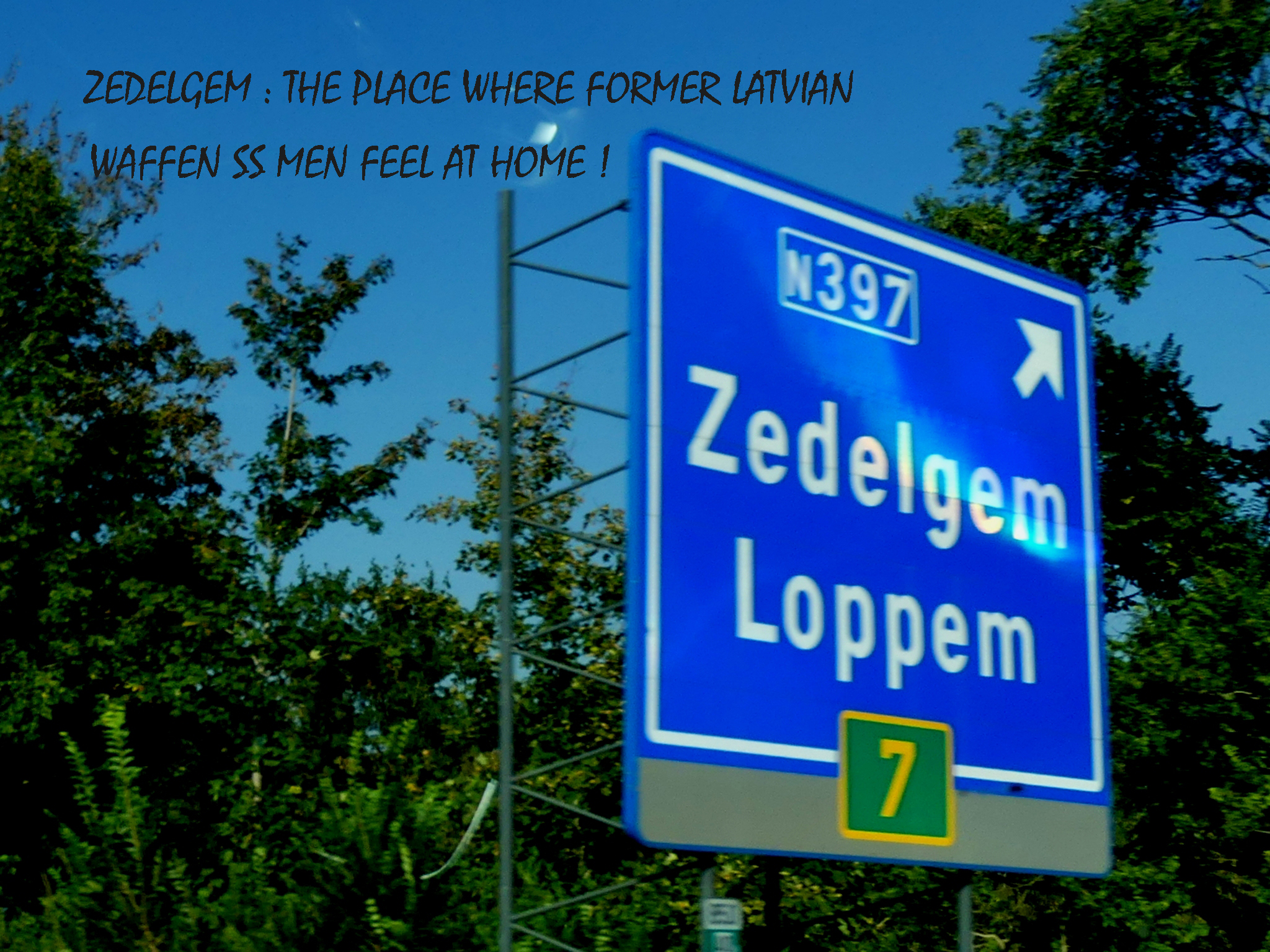

 There is, however, disturbingly, quite a stupendous missing link in this abridged history of Lithuania in the twentieth century. Where had the quarter million Jews (the figure on the eve of the Holocaust) of the country disappeared to “overnight” (as centuries go), during that fateful century? Had there ever been a Jewish minority in Lithuania at all? When I looked at the author’s pedigree, I understood why the Jews had not played any role of significance in his biased dialectical discourse. Joren Vermeersch is a historian (of sorts) and an accomplished author. He is also a representative (stand-in, as we call it) for the Belgian House of Representatives, for the “N-VA.” This is the nationalist Flemish party that has its historical roots in the collaboration with the Nazis during World War II. The party that has systematically fought for an amnesty for Nazi collaborators. The party in which the grandparents or parents of some of the present actual leaders had been condemned by the Belgian State for collaboration with the enemy. Nobody is guilty of sins of their ancestors, but when there is a pattern of such pedigree being considered a great plus for current leadership, and that pedigree is subtly glorified rather than disowned, we have a current moral problem that merits discussion in the public square.