O P I N I O N
by Geoff Vasil
2010 was an astonishing year for human rights in Lithuania. Toward the beginning of 2010 there were public demonstrations in the capital by self-designated patriotic youth, decked out in various paramilitary costumes, in plain clothes bearing variations on swastikas and wearing white arm bands. These Lithuanian neo-Nazis marched across the main streets and squares in Vilnius on independence day (March 11th), made a showing to protest against a silent march of people from the main square to a cemetery to honor the dead on Soviet Victory Day (May 9th), and most spectacularly managed to outnumber 10 to 1 Lithuania’s first gay pride march (May 8th) with a violent mob throwing objects, hurtling insults and proudly waving flags with pseudo-swastikas behind police lines. The gay pride march almost didn’t happen, as it hadn’t many years in a row, because of bureaucratic impedance from the Vilnius municipality over issuing a permit and from law enforcement and the parliament. The neo-Nazi marches, on the other hand, had support from within parliament, MPs who personally asked for, and got, permits from the city for a march. Several MPs also came to the anti-gay pride protest with bullhorns, stormed police barriers and generally foamed at the mouth, caught on camera.
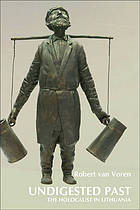 A few friends asked me if I could attend a book presentation in Kaunas, since they couldn’t make it. The book is called Undigested Past: The Holocaust in Lithuania by Robert van Voren. It was published in English first as part of a series by the Rodopi publishing house on Eastern Europe. I’d never heard of van Voren, but people told me he was known for his books on psychiatric abuses in the Soviet Union. The poster for the event proclaimed boldly in Lithuanian that the conference’s official language would be English, which made me smirk, but an English-language version of the poster became available on the morning of the event.