by Defending History Staff
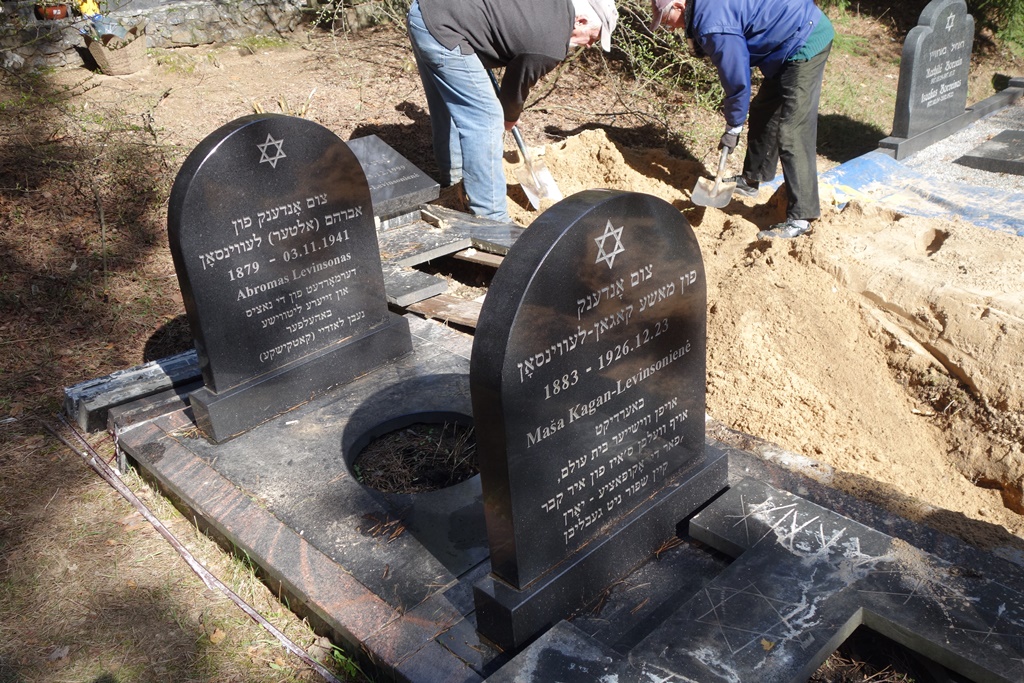
Svintsyán [Švenčionys] — Some fifty people gathered in the forest at midday today at the mass grave at Poligón, outside Švenčioneliai (Yiddish: Svintsyánke), in northeastern Lithuania, where around 8,000 Jews were murdered on 7 and 8 October 1941 after more than a week of barbaric incarceration and humiliation. The number includes nearly all the Jews of the county-seat town Švenčionys (Svintsyán) as well as the Jewish citizens of a number of towns and villages in the region, including (Yiddish names first in the following list, followed by current Lithuanian or Belarusian names): Dugelíshik (Naujasis Daugėliškis), Duksht (Dūkštas), Haydútsetshik (Adutiškis), Ignalíne (Ignalina), Koltnyán (Kaltanėnai), Kaméleshik (Kimelishki, Belarus), Labonár (Labanoras), Lingmyán (Linkmenys), Líntep (Lyntupy, Belarus), Maligán (Mielagėnai), Podbródzh (Pabradė), Saldúteshik (Saldutiškis), Salemánke (Salamianka), Stayátseshik (Stajotiškės), Svintsyánke (or Nay-Svintsyán — Švenčionėliai), and Tseykín (Ceikiniai).
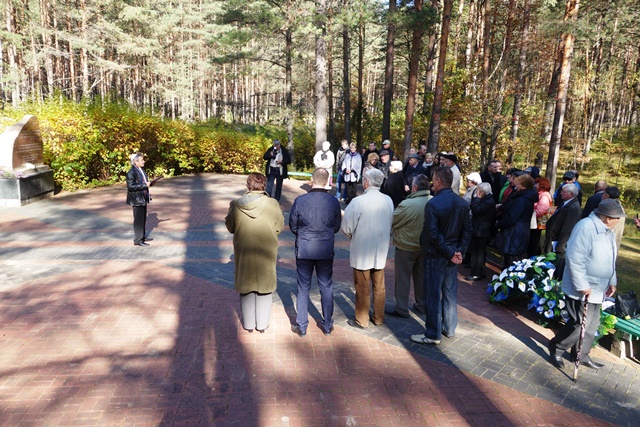
Misha (Meyshke) Shapiro (at left), head of a region’s tiny remnant Jewish community, chairs the annual commemoration in the forest at a mass grave where 8,000 Jews were killed in two days in October of 1941.
Continue reading