OPINION | OLD VILNA JEWISH CEMETERY AT PIRAMÓNT: THE SAGE OF 2015-2025 | EARLIER OPPOSITION | 2023-2024 “WORKING GROUP” ON VILNA CEMETERY | LIST OF MEMBERS | MOUNTING OPPOSITION TO NEW “MUSEUM PROJECT” | USCPAHA (UNITED STATES COMMISSION FOR THE PRESERVATION OF AMERICA’S HERITAGE ABROAD) | THE CPJCE (COMMITTEE FOR THE PRESERVATION OF JEWISH CEMETERIES IN EUROPE) | THE AJC (AMERICAN JEWISH COMMITTEE) | THE CER (CONFERENCE OF EUROPEAN RABBIS) | THE GWF (GOOD WILL FOUNDATION) | CEMETERIES & MASS GRAVES | HUMAN RIGHTS

VILNIUS—Yesterday’s news of a new “agreement” to turn the Old Vilna Jewish Cemetery over from the central government to the municipality of Vilnius (see our report) today elicited a forceful response from Vilius Kavaliauskas, leader of the movement to construct a congress center on the site, and convenor of the 18 January 2026 rally at the National Academy of Sciences. Mr. Kavaliauskas is a highly respected and accomplished historian and journalist, and a former advisor to an earlier Lithuanian prime minister.
The rally 18 January rally immediately made it into Jewish history thanks to Rabbi Elchnon Baron’s defining one-minute address (he was greeted with boos and amicably led off the stage by — Mr. Kavaliauskas). Rabbi Baron responded rapidly to yesterday’s developments in Vilnius. See also the Independence Day declaration on the cemetery issued by the city’s resident Chabad rabbi for 32 years, Rabbi Sholom Ber Krinsky.
Mr. Kavaliauskas’s protest appeared inter alia on Facebook today (PDF of text and English translation).
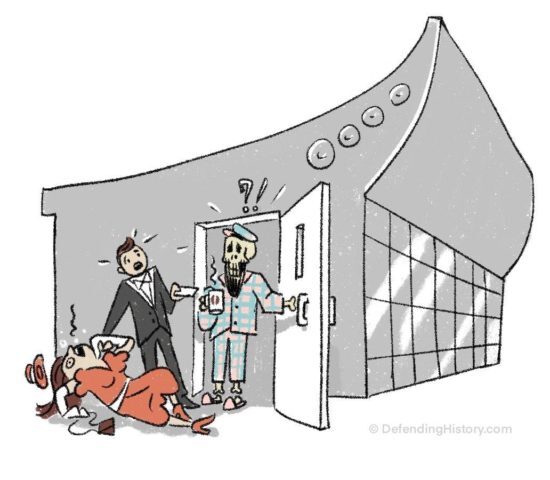
Defending History’s persistent question remains: Would any of this be happening if this were a 500 year old cemetery where thousands still lie buried if this had been a cemetery of the majority ethnicity and religion of the country?
If great scholars and leaders of a nation over centuries were interred there in plots purchased in perpetuity by the families of these citizens of Vilnius, who have no onsite descendants to defend their graves precisely because of the Holocaust. Around 95% of Vilna Jewry and of Lithuanian Jewry were massacred. International pleas for restoration of the cemetery are not even mentioned in mainstream Lithuanian media as an option. Why not?